
Nobody enjoys finding out a candidate ghosted you three days before their start date. Or watching a hiring manager go quiet on feedback until the requisition’s been open so long it starts to feel cursed.
If communication is an afterthought in your hiring process, it’s showing up in your time-to-fill, your offer-acceptance rate, and how often good candidates just…disappear.
As the fourth installment in our Hiring Smarter, Not Harder series, here’s how to fix communication with both hiring managers and candidates — plus downloadable bonus content with real-world examples of what a strong staffing partnership looks like in practice.
Don’t Let Miscommunication Derail Your Hiring
Communication is the foundation of a successful hiring process. Even the most efficient and cost-effective recruitment program can be derailed by poor communication.
It plays a vital role in every aspect of the process — from internal coordination with hiring managers to candidate interactions and the overall candidate experience.
Start With Internal Alignment: Communication With Hiring Managers
One of the most critical elements of the hiring process is maintaining clear and consistent communication with hiring managers.
Talent acquisition teams must manage these relationships effectively, ensuring alignment with key stakeholders and the business’s specific needs. This involves understanding the unique requirements of each department and role to find the right fit.
Best Practices for Internal Communication
- Meet regularly. Schedule regular meetings with hiring managers to discuss open positions, job requirements, and recruitment updates.
- Collaborate. Create a collaborative environment where feedback and insights from hiring managers are welcomed and considered in the recruitment process.
- Candidate alignment. Develop a shared understanding of the ideal candidate profile to avoid misalignment between expectations and reality.
“Our process starts with meeting hiring managers and HR together to align on the ideal profile and separate nice-to-haves from hard requirements.”
Lindsay Pfenning, Chief Operating Officer of Stivers.
“When there’s reluctance to do that — or HR gives us that information without looping in the hiring manager — we see it consistently cause friction,” says Pfenning. “It drags out the process and creates a negative candidate experience once things start to shift.”

Communication With Candidates
Effective communication with candidates is essential for a positive hiring experience. How you treat and communicate with candidates can significantly impact their perception of your organization—and your brand reputation—either positively or negatively.
By focusing on the candidate experience, you can shape how they perceive your company’s hiring process. Key communication touch points include:
- Your career site
- Job descriptions
- Application process
- Interviews
- Communication and follow up
Best Practices for Candidate Communication
- Set a Timeline and Hold It. Ambiguity about next steps is one of the biggest reasons candidates go quiet or accept another offer mid-process. Tell them what to expect and when, and stick to it.
- Automate the Repetitive Touchpoints. Scheduling, status updates, and FAQs are ideal candidates for automation — freeing up recruiters for the judgment calls that actually decide the hire.
- Close the Loop With a Short Survey. Low lift, high signal. A quick post-process survey tells you exactly where candidates are dropping off, and why.
- Act on What You Learn. Feedback you collect but don’t use isn’t worth collecting. Fix what’s broken and double down on what’s working.

AI Is Changing How You Communicate With Candidates. Are You Keeping Up?
Communication expectations have shifted faster than most hiring processes have caught up. AI adoption in HR has climbed sharply over the past two years, and a lot of that growth is happening in exactly the areas that shape candidate experience: initial outreach, interview scheduling, and status updates.
That’s good news if you’re using it well. Automated scheduling and status messaging close the gap that used to cause the most damage — the multi-day silence between “we’ll be in touch” and an actual next step.
Candidates don’t expect a human to answer every email in real time, but they do expect something, fast, and AI-driven tools are the reason that’s now table stakes instead of a nice-to-have.
It’s a poor substitute for judgment, though. The interview feedback, the offer conversation, the moment a candidate has a real question about the role — that’s still recruiter territory.
The organizations getting this right are using automation to close communication gaps at scale, not to avoid the harder conversations altogether.
Bringing It All Together: The Impact of Communication on Hiring Success
Incorporating clear, consistent communication into your hiring process will not only improve your internal collaboration but also enhance the candidate experience. Whether it’s aligning with hiring managers or staying connected with candidates, prioritizing communication at every stage ensures a smoother, more efficient recruitment process.
“It’s a competitive market and talent has options,” says Pfenning. “A slow response time from the hiring manager to HR or other stakeholders consistently costs companies the hire. Candidates won’t wait through a process with too much friction.”
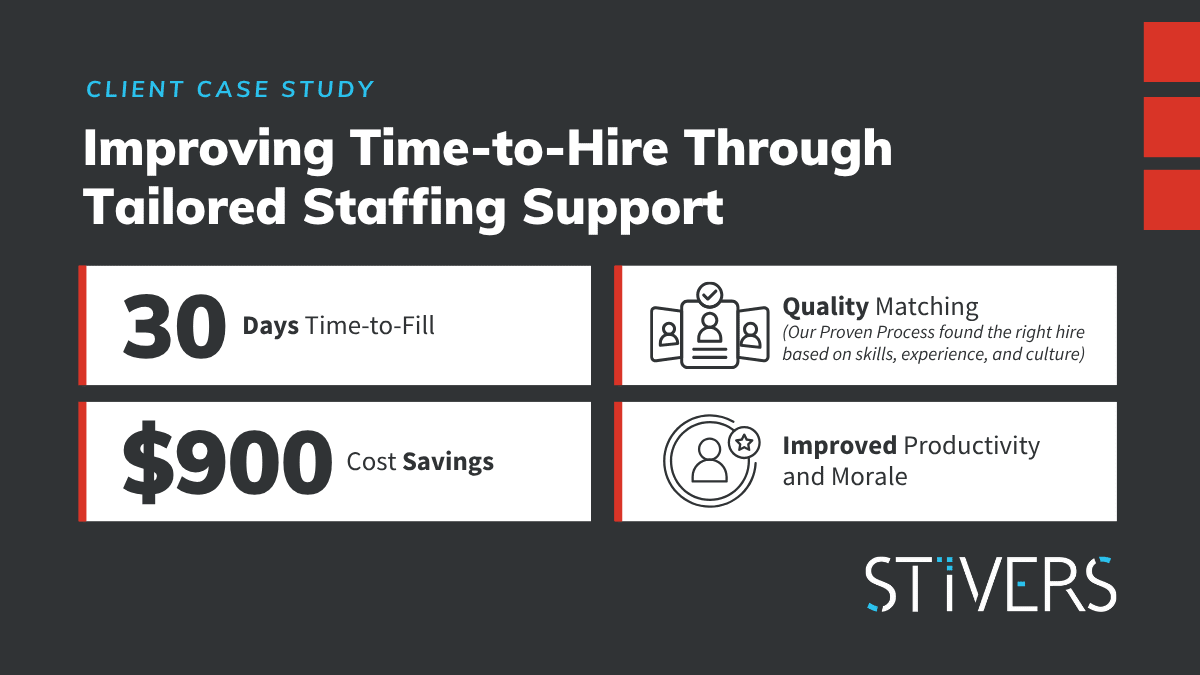
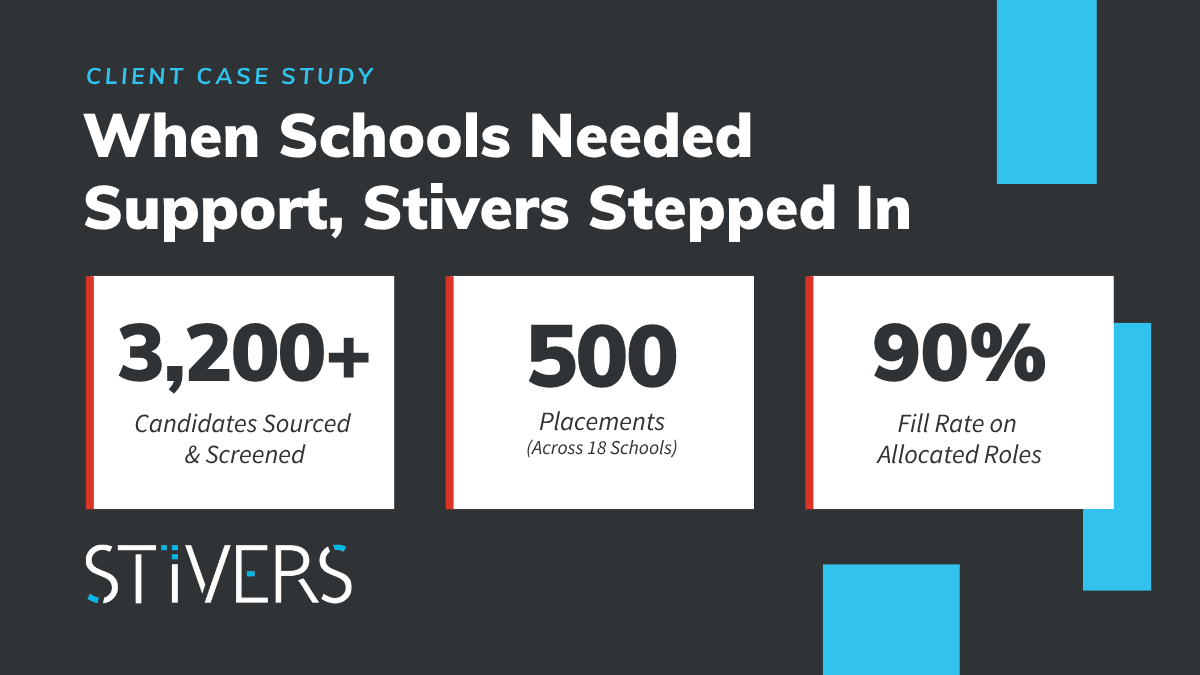
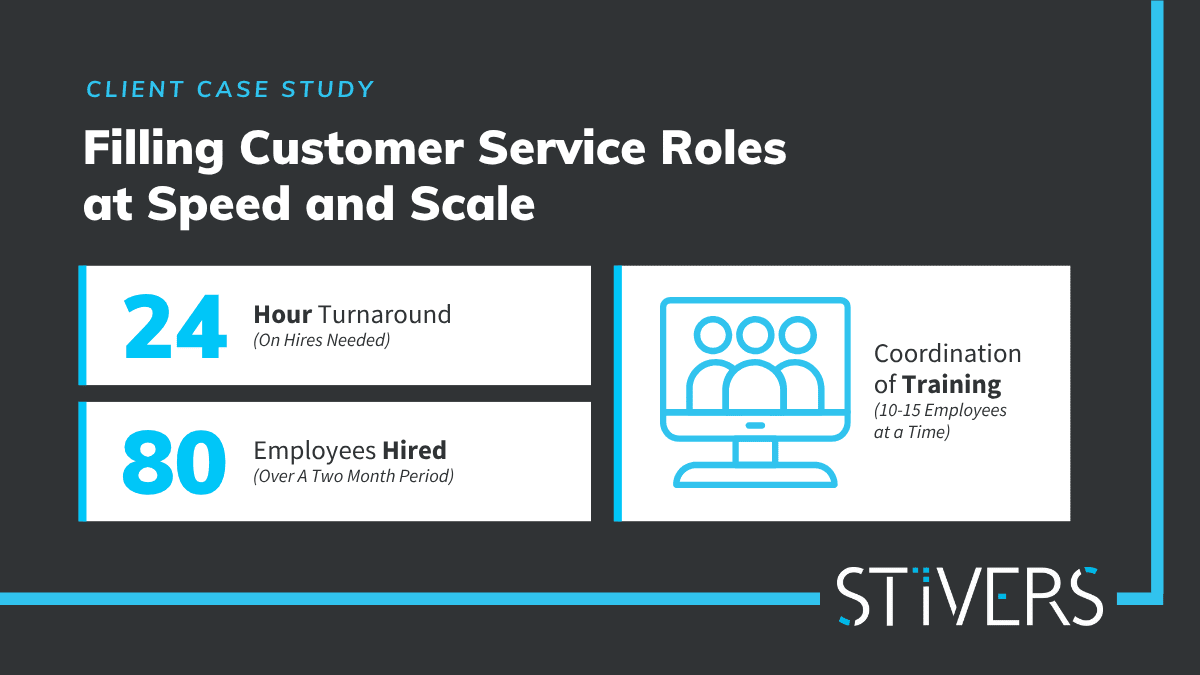
And if your team doesn’t have the bandwidth to own all of it internally, a staffing partner who handles this end-to-end can close the gap — often while reducing your overall cost per hire in the process.
Key Takeaways
- Miscommunication is friction that shows up directly in time-to-fill, offer-acceptance rates, and candidate ghosting.
- Alignment between HR and hiring managers has to happen before the search starts, not mid-process. Reluctance to align upfront is one of the most consistent causes of friction Stivers sees in client searches.
- AI can close routine communication gaps (scheduling, status updates), but recruiter judgment still owns the moments that decide the hire.
- In a competitive market, slow response times cost you candidates because they have options and won’t wait through long delays.
If communication gaps are costing you candidates, we should talk.
Next Up: Staffing and Recruitment Firms: End-to-End Hiring Management
Armed with all the tools to create a streamlined staffing and recruitment strategy, the next and final article of our Hiring Smarter, Not Harder blog series discusses how staffing firms can be a key part of your company’s recruitment strategy.
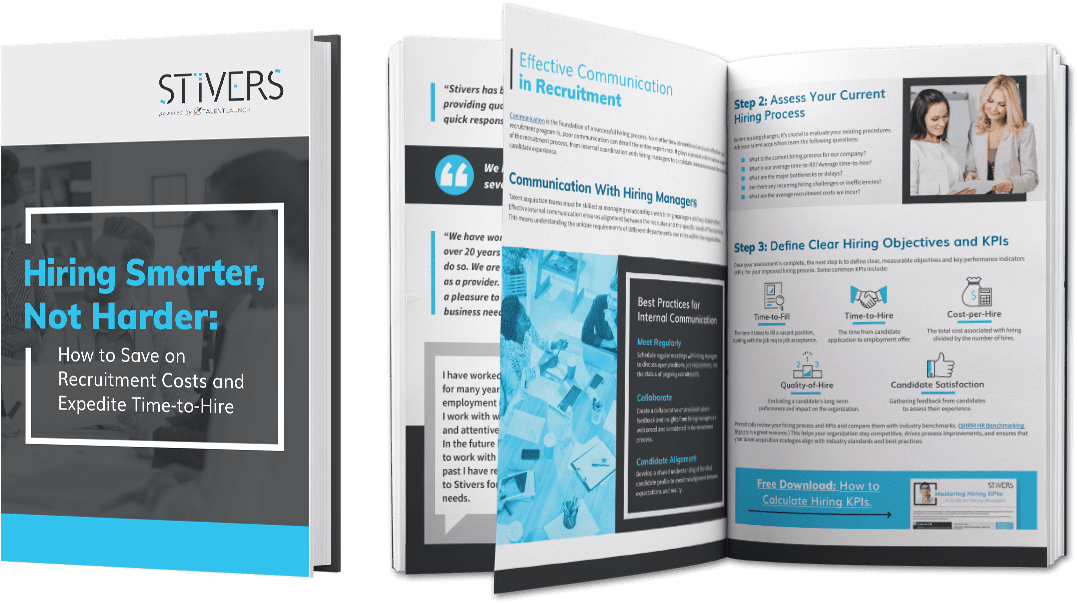
Can’t wait? Get the complete guide!